United States
|

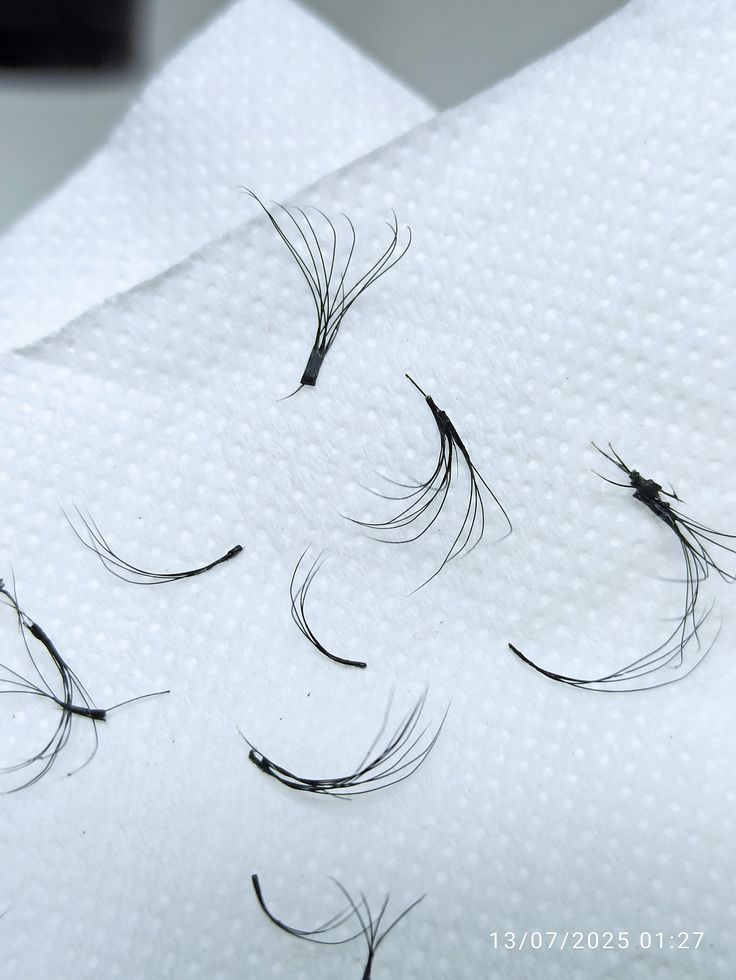
One week your sets are holding beautifully. The next week, clients are texting photos of fallout by day four and asking what changed. If you have been wondering why lash retention keeps dropping, the answer is usually not one dramatic mistake. It is usually a stack of small inconsistencies in prep, environment, product timing, and client habits that finally start showing up in your books.
That is what makes retention issues so frustrating for lash artists. You can feel like you are doing the same service you always do, using the same placement, same map, and same adhesive, yet the results slide anyway. The fix starts with looking at retention like a system, not a single product problem.
A clean set does not always mean a stable set. You can have beautiful direction, solid isolation, and nice coverage, but if the natural lash was not fully prepped, the adhesive was not curing in the right conditions,
If your lash sets are sticking, twisting, or dropping early, the problem usually is not the tray of lashes. It is how the full system is being used together. Knowing how to use eyelash extension kit products correctly means understanding placement, prep, adhesive control, and timing - not just picking up tweezers and hoping for a clean set.
For lash artists, students, and salon teams, a kit can be a smart starting point because it puts the core tools in one place. But a kit is only useful if every item is used with intention. The difference between a slow, frustrating service and a smooth appointment often comes down to workflow.
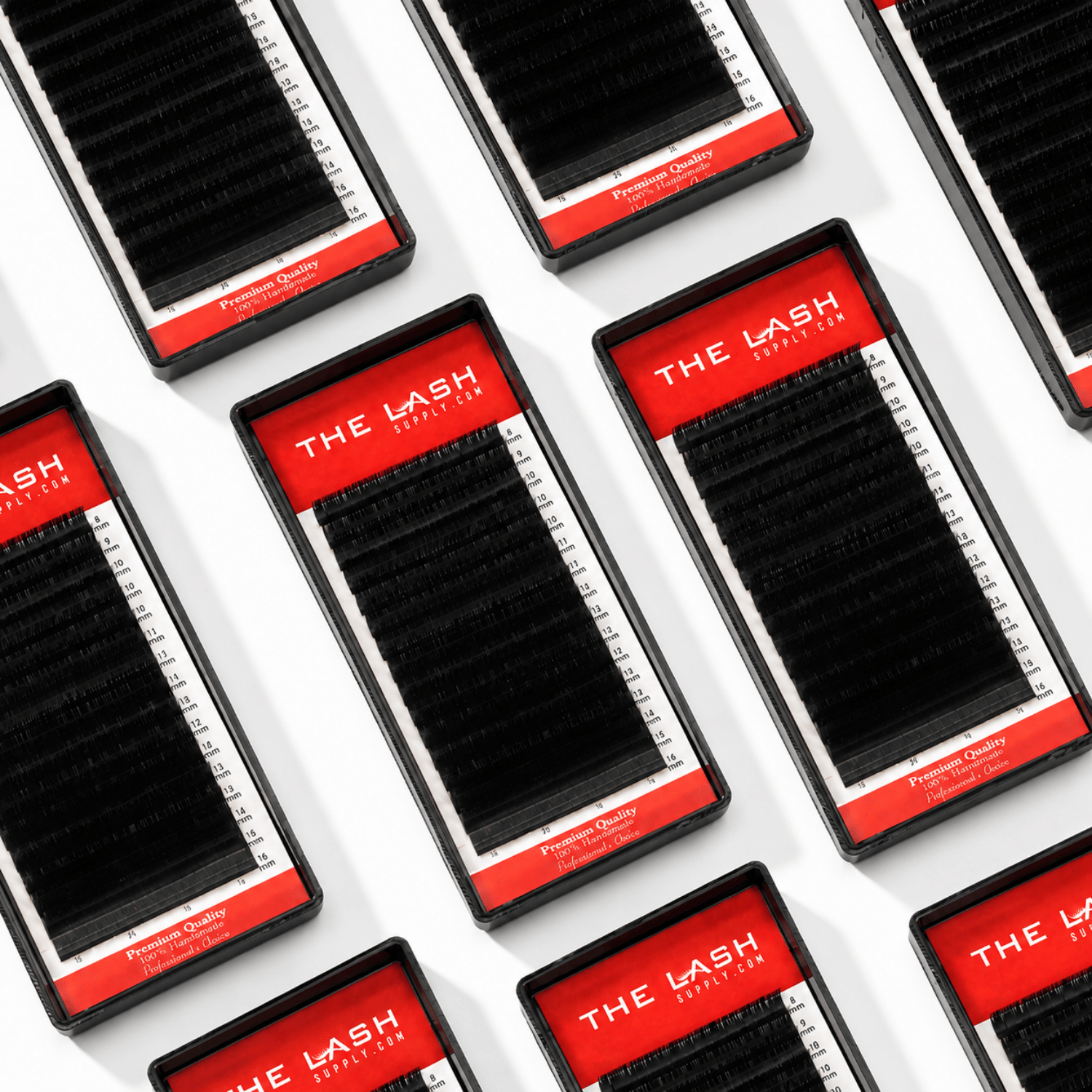
Most kits are built to cover the essentials: lash trays, adhesive, tweezers, under-eye pads or tape, micro brushes, cleanser or primer, lash wands, and disposable tools. Some also include jade stones, glue rings, fan tools, or aftercare items. That sounds basic, but each item affects retention,