Canada
 |

If your lash sets are sticking, twisting, or dropping early, the problem usually is not the tray of lashes. It is how the full system is being used together. Knowing how to use eyelash extension kit products correctly means understanding placement, prep, adhesive control, and timing - not just picking up tweezers and hoping for a clean set.
For lash artists, students, and salon teams, a kit can be a smart starting point because it puts the core tools in one place. But a kit is only useful if every item is used with intention. The difference between a slow, frustrating service and a smooth appointment often comes down to workflow.
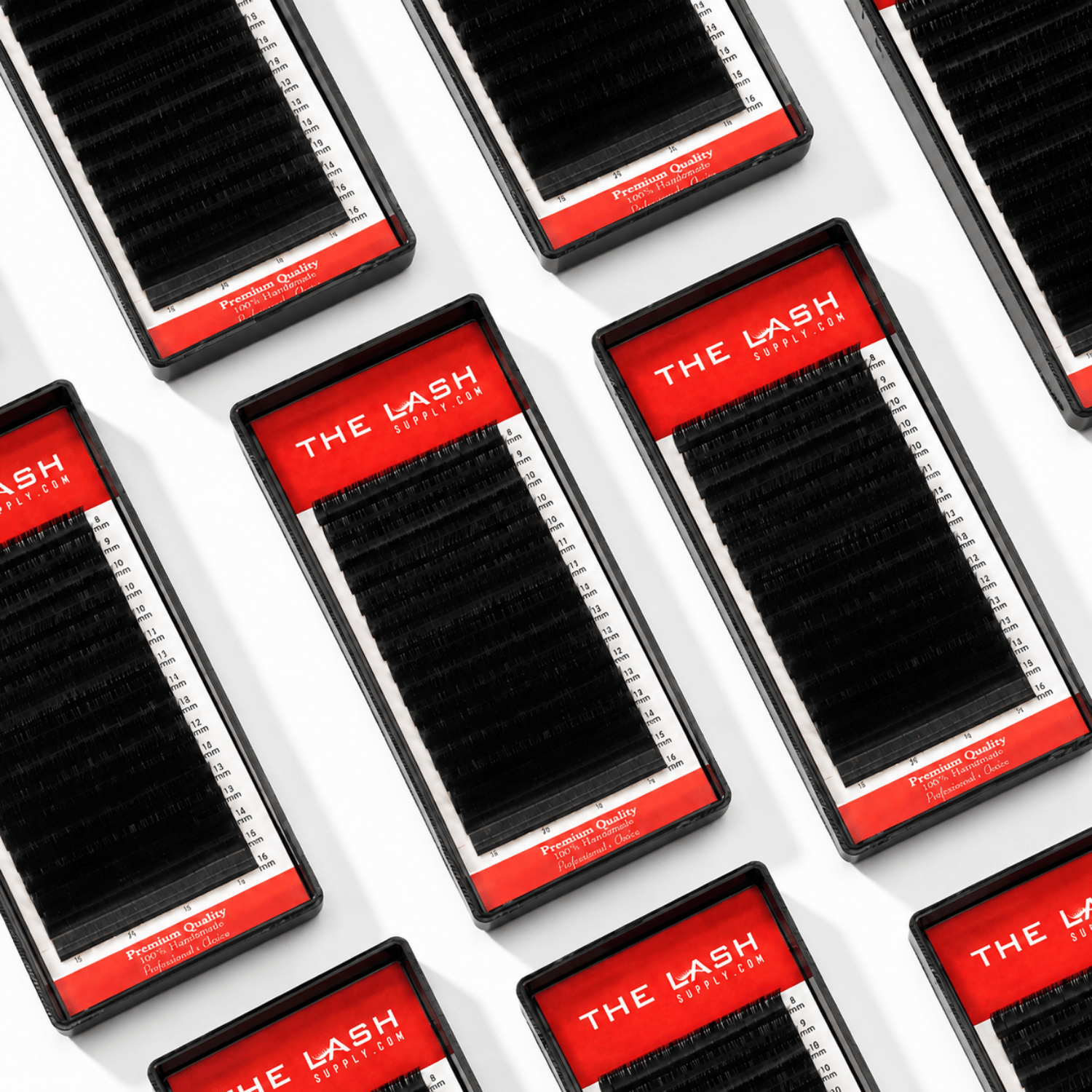
Most kits are built to cover the essentials: lash trays, adhesive, tweezers, under-eye pads or tape, micro brushes, cleanser or primer, lash wands, and disposable tools. Some also include jade stones, glue rings, fan tools, or aftercare items. That sounds basic, but each item affects retention, comfort, and speed.
This matters most for newer artists who are still learning hand control and product behavior. A kit can reduce guesswork when you are setting up your station, but it does not replace technique. For experienced artists, it can also streamline restocking and keep service standards consistent across multiple appointments.
The cleanest sets usually come from a repeatable routine. When the order changes, problems show up fast - poor bonding, lashes snapping shut, or stickies hiding in the set.
Before your client lies down, lay out everything you will need within reach. Keep tweezers on a clean surface, shake adhesive thoroughly, dispense a fresh glue dot, and organize your lash strips by curl, length, and diameter. If your kit includes disposables like micro swabs, lip applicators, or tape, open only what you need for that service.
A cluttered station slows your hands down. It also increases contamination risk, especially with adhesive and prep products. Professional workflow starts before the first isolation.
This is where many retention issues begin. If the natural lashes still have oil, protein buildup, makeup residue, or skincare transfer, adhesive will struggle to bond well.
Use a lash cleanser or foam cleanser first, then dry the lashes completely. If your kit includes primer, use it sparingly and only when it fits the client’s lash condition and your adhesive system. Overusing prep products can be just as disruptive as skipping them. Natural lashes should be clean, separated, and dry - not wet, over-saturated, or coated.
Apply eye pads or tape carefully so the lower lashes are fully secured without pulling the skin too tightly. Comfort matters here. If the client is squinting or watering, your application gets harder immediately.
Isolation is the part that newer artists rush, and it usually shows. Use one tweezer to isolate a single natural lash completely before placing the extension with your other tweezer. If neighboring lashes are attached or crossing into the section, stop and reset.
Good isolation protects natural lash health and keeps your sets clean as they grow out. Poor isolation leads to stickies, discomfort, and messy fills. No adhesive can fix that.
Take the extension from the strip with a steady grip near the base. Dip only a small amount of the base into the adhesive. Too much glue creates bulk, slow drying, and closed fans. Too little can lead to weak attachment and early shedding.
This is where product compatibility matters. The adhesive in your kit may behave differently depending on humidity, room temperature, and how quickly you work. If the glue is curing too fast, placements can become brittle or miss the natural lash entirely. If it cures too slowly, lashes may shift after placement. Artists need to watch the adhesive, not work on autopilot.
Place the extension on the natural lash with a small attachment zone and proper direction. It should sit close enough to look polished but not so close that it touches the skin. A clean attachment at the base creates better retention and a better grow-out.
Pause long enough to confirm the lash is secure and not pulling to one side. Then move on. Fast application is useful, but clean placement is what protects your reputation.
A kit usually includes more than just lashes and glue, and the smaller tools often make the biggest difference during service.
Micro brushes help with cleanser, primer, or remover application in controlled amounts. Lint-free applicators are useful when you need precision without leaving debris behind. Tape can help lift the lid slightly or improve access to inner and outer corners, but it should never create strain on the skin. Lash wands are simple, but they matter for checking direction and separating sections during a set.
Tweezers deserve extra attention. Even a strong adhesive and quality lash tray will not compensate for tweezers that do not fit your hand or pickup style. Straight tweezers are often used for isolation, while curved or boot-style tweezers are common for placement or fan pickup. What works best depends on your technique. The trade-off is simple: a tweezer that feels secure in your hand will improve speed, but only if the tip tension matches the lashes you are using.
Most application issues come back to a few repeat problems. One is using too much adhesive because it feels safer. It is not. Excess glue creates poor wrapping, stickies, and bulky bases.
Another is skipping lash prep when the client arrives with “clean” lashes. Mascara residue, concealer dust, skincare oils, and even tears can interfere with bonding. Prep still matters.
Many new artists also work too far from the lash line because they are nervous about getting close. That can make the set look grown out on day one. On the other hand, placing too close can cause irritation. The right distance is controlled and consistent.
There is also the issue of trying to use every item in the kit on every client. Not every appointment needs extra tape, primer, or multiple lash diameters. Use what supports the set you are building. Professional application is selective, not excessive.
If you are using an eyelash extension kit in a salon, suite, or training environment, sanitation is part of the service quality. Disposables should be single use. Tweezers need proper cleaning and disinfection between clients. Adhesive should be stored according to manufacturer guidance and replaced within its usable life.
Patch testing, allergy awareness, and eye sensitivity should also be part of your process. If a client has irritation, active eye issues, or a reaction history, do not push through a service just because the appointment is booked. A good artist protects the client first.
This is especially relevant for newer lash businesses trying to build repeat clientele. Fast growth only works if your service standards hold up.
A good set can still fail if the client leaves without clear aftercare instructions. If your kit includes cleanser, sealant, or retail-friendly aftercare, explain how and when to use it. Clients should know to keep lashes clean, avoid heavy rubbing, and brush gently with a clean spoolie.
Retention is shared responsibility. Your application has to be clean, but the client’s home care matters too. If they sleep face-down, use oily eye products, or skip cleansing, the set will break down faster. That does not always mean the application was poor.
For salon owners and artists buying supplies in volume, this is where having a dependable system helps. When your prep, application, and aftercare products work together, it is easier to train staff, standardize appointments, and troubleshoot issues without guessing.
A kit makes sense for students, newer lash artists, and professionals who want a ready base of core items. It can also be useful for salons onboarding junior staff because it creates consistency from day one.
That said, some advanced artists eventually outgrow all-in-one setups. They may prefer a specific adhesive dry time, a certain tweezer tension, or a custom mix of classic and volume inventory. That is normal. A kit is a practical foundation, not a rulebook.
If you are choosing supplies for business growth, value matters, but so does repeat performance. Factory-priced products only help if they work reliably in real service conditions. That is why many professionals buy with workflow in mind, not just price per item.
Using an eyelash extension kit well is less about owning more tools and more about building a repeatable service that gives clients comfort, clean styling, and strong retention. When your setup is organized and each product has a clear purpose, your hands work faster, your sets look better, and your business gets easier to scale.