Canada
|

One week your sets are holding beautifully. The next week, clients are texting photos of fallout by day four and asking what changed. If you have been wondering why lash retention keeps dropping, the answer is usually not one dramatic mistake. It is usually a stack of small inconsistencies in prep, environment, product timing, and client habits that finally start showing up in your books.
That is what makes retention issues so frustrating for lash artists. You can feel like you are doing the same service you always do, using the same placement, same map, and same adhesive, yet the results slide anyway. The fix starts with looking at retention like a system, not a single product problem.
A clean set does not always mean a stable set. You can have beautiful direction, solid isolation, and nice coverage, but if the natural lash was not fully prepped, the adhesive was not curing in the right conditions, or the attachment was too shallow, retention will still suffer.
This is also where many artists lose time and money. They replace adhesive first, then lashes, then technique, without checking whether the room changed, whether the client switched skincare, or whether their bottles are simply past peak freshness. Retention drops rarely come from one variable alone. They usually come from two or three variables stacking up at once.
Adhesive performance is tightly tied to humidity and temperature. Even a high-performing formula can behave poorly if your room conditions drift outside its workable range. If humidity suddenly rises, your glue may cure too fast and create weak bonds. If the room is too dry, curing may slow down and lead to stickies, poor wrapping, or attachments that never fully set the way you expect.
This is why retention can change seasonally or even week to week. Rainy weather, strong air conditioning, heaters, humidifiers, and open doors can all shift your room enough to affect cure speed. If your retention was good and then started slipping without a major product change, check the room first.
Temperature matters too. Artists often monitor humidity but ignore heat. A room that runs warmer than usual can make adhesive feel faster and less forgiving. That can push you into placements that look attached but do not have the contact you need for strong wear.
When retention drops, prep deserves a hard look. Natural lashes collect oil, skincare residue, makeup traces, dead skin, and environmental buildup. Even when lashes look clean, they may still carry enough residue to interfere with bonding.
A solid prep routine should match the client in front of you. Oily skin, heavy under-eye products, gym habits, and makeup use all change what prep needs to do. Some clients need a simple cleanse and dry-down. Others need more detailed attention with cleanser, rinse, full dry time, and a primer used correctly for their lash condition.
The trade-off here is over-prepping. Too much product, too aggressive a cleanse, or stacking incompatible prep products can create their own problems. If lashes feel overly dry or coated, the adhesive may not behave the way you expect. Better prep is not always more prep. It is the right prep for the hair and the environment.
If you are seeing early shedding across multiple clients, technique needs to be part of the audit. A fan or classic lash needs enough contact with the natural lash to create a stable bond. If the attachment is too short, too wide, or sitting on one side instead of wrapping cleanly, the extension may pop off early even if the adhesive itself is fine.
This can happen more when artists speed up. Fast hands are good for business, but speed only helps if control stays consistent. If you recently got quicker, changed tweezers, changed lash curl, or switched from one tray style to another, your attachment may have changed with it.
Check your bases too. Wide or split bases create weak contact. This is especially relevant with volume work and premade fans. A fan that looks perfect in the strip still needs to sit flush on the natural lash. If the base is bulky or the pickup changes the shape, retention takes the hit.
Adhesive has a shelf life, and open bottles have a shorter performance window than many artists want to believe. A bottle that technically still works may not be working at its best. If retention started dropping gradually, not suddenly, glue age is worth checking.
Storage also matters. Heat, light, moisture exposure, and poor sealing all shorten adhesive performance. If your glue lives too close to a humidifier, a sunny window, or a station that heats up during the day, consistency can drift fast.
Then there is compatibility. Not every lash fiber, primer, bonder, and adhesive combo plays nicely together. If you recently changed one piece of your system, even for a good reason like cost or speed, that change can affect retention. This is one reason many professionals prefer to keep their core products predictable and only test one variable at a time.
Not every retention issue starts in the lash room. Clients can leave with a perfect set and still lose lashes early because their routine works against the bond. Oil-based products, steam-heavy habits, rough cleansing, sleeping face-down, and skipping lash washing all cut wear time.
The tricky part is that clients do not always connect those habits to retention. They may say they did nothing different, but they started a new eye cream, began hot yoga, wore strip lash glue over extensions for an event, or used cotton pads to scrub makeup off. None of that sounds dramatic to them. To a lash artist, it explains the whole fill.
This is where aftercare education earns its keep. A quick script at the end of the appointment is good. Clear, repeated guidance is better. Clients need to know how to clean, how often to clean, what to avoid, and what normal shedding looks like. Selling aftercare is not just a retail add-on. It protects your work.
Sometimes the bond is fine, but the natural lashes are shedding faster than usual. Seasonal shed, stress, hormonal changes, medication, postpartum shifts, and health changes can all increase natural lash turnover. Clients often read that as poor retention because the extension is leaving sooner, but the extension is simply leaving with the natural lash.
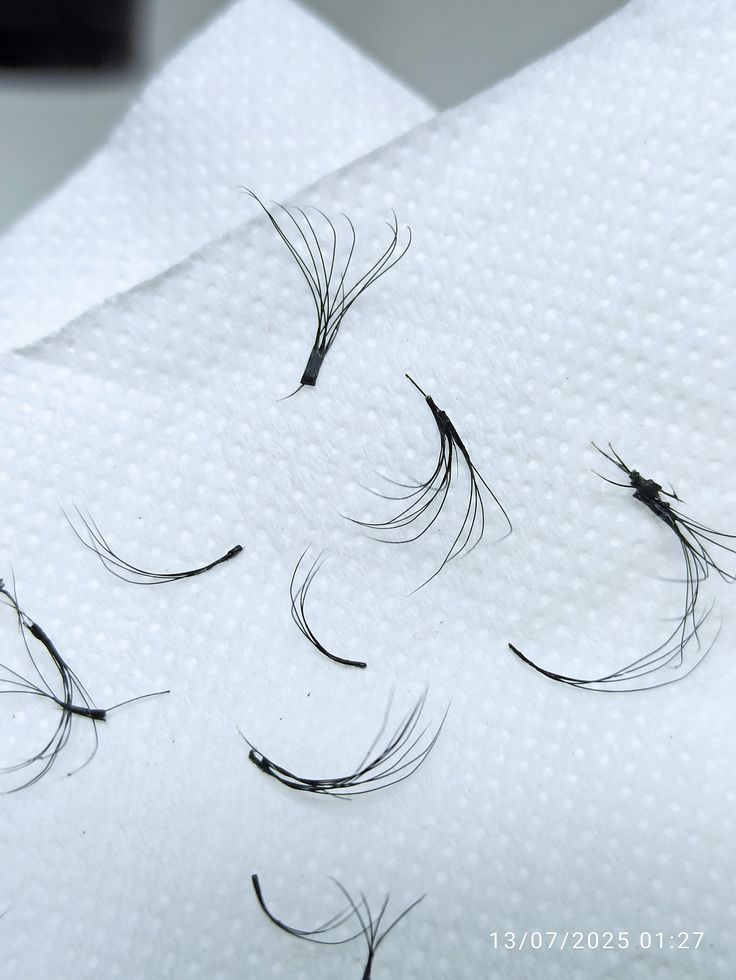
That distinction matters. If most of the fallen extensions still have a natural lash attached, your adhesive may not be the issue. If extensions are sliding off clean with no natural lash, your bond is the better place to investigate.
This is also why documentation helps. When you track what you see at fills, patterns become easier to read. You can spot whether the issue is bond failure, natural shed, or a mix of both.
When retention starts slipping, resist the urge to replace everything at once. That usually creates more confusion and more waste. A simple audit is more useful.
Check room humidity and temperature for a full week, not just one appointment. Review adhesive age, storage, and shake time. Look at your prep sequence and whether products are being layered in a way that makes sense. Watch your attachments closely for base contact and wrapping. Then review client aftercare conversations and ask better follow-up questions at fills.
If you need to test a change, test one variable at a time. Change the adhesive or the primer or the lash tray, not all three. That is the fastest way to find the real issue without burning money on inventory that was never the problem.
For artists building a more dependable setup, this is where professional-grade consistency matters. Products should support your workflow, not force you to relearn it every month. The Lash Supply serves a lot of working artists for that exact reason - dependable inventory, practical options, and product choices that make sense for daily service volume.
Good retention is rarely about chasing a magic bottle. It comes from tighter control over the basics: environment, prep, attachment, fresh product, and realistic aftercare. Once those pieces line up, retention usually stops feeling random.
If your sets have been slipping lately, treat that as useful feedback, not failure. The artists who improve fastest are the ones who stop guessing, check the full workflow, and make cleaner decisions from there. A better set often starts with a better process.